Why We Need More Memory Care Homes (and How You Can Be Part of the Solution)
Dec 03, 2025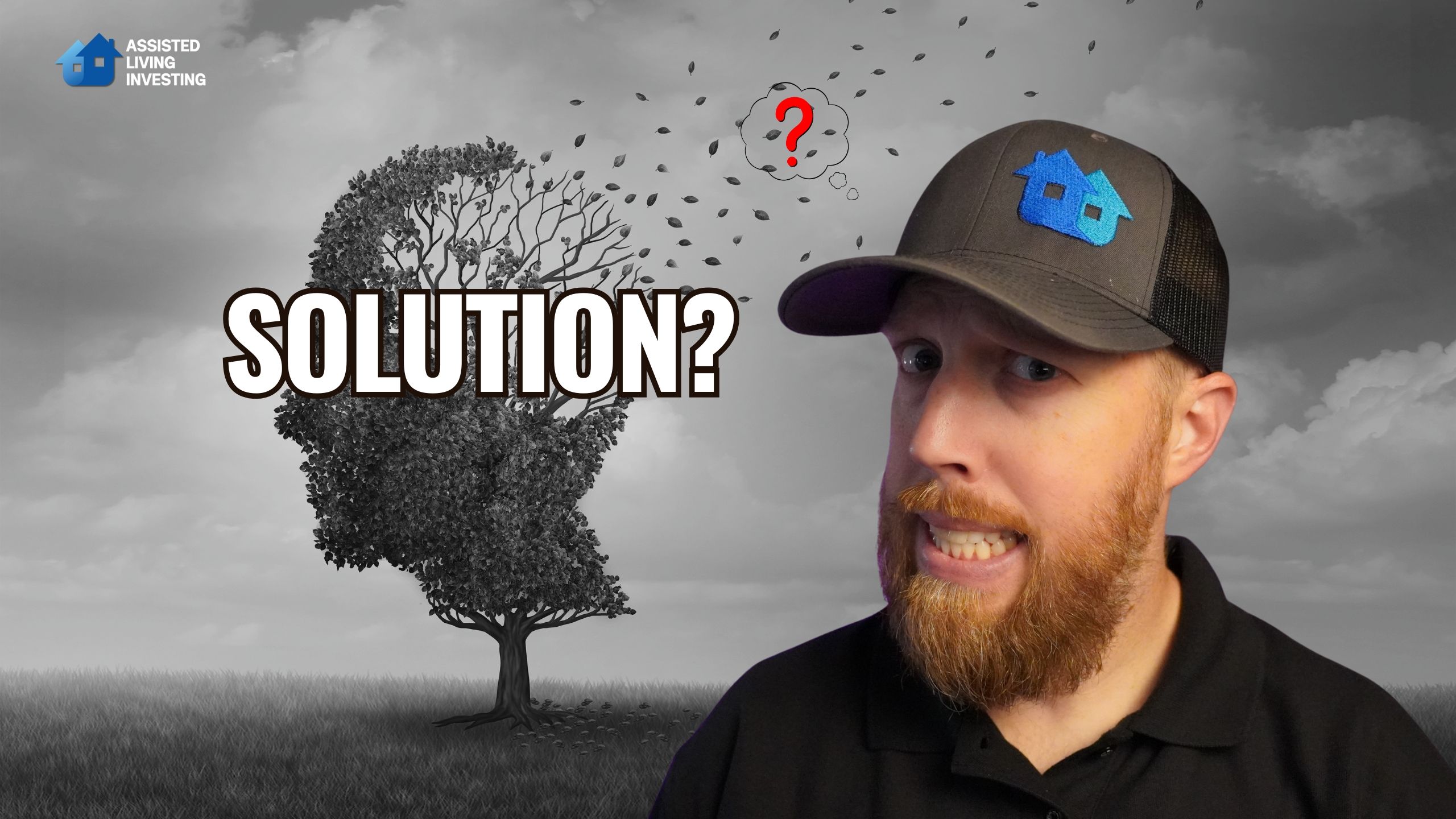
Memory care is becoming one of the biggest needs in senior living, and many families are struggling to find safe, trusted homes for loved ones with dementia or Alzheimer’s. Today, I want to walk you through why this need is exploding and how you can be part of the solution.
Want the full breakdown? Watch the video below👇
The Need for Memory Care Is Growing Fast
Right now, millions of seniors are living with dementia or Alzheimer’s, and that number is rising every single year. As baby boomers age, even more people will need help staying safe and supported.
Many families feel lost because they can’t do everything on their own. They need homes that are calm, caring, and built for memory support.
💭 Memory care helps families who feel overwhelmed and out of options.
Most Communities Aren’t Built for Memory Care
A lot of assisted living homes simply aren’t set up for memory care. These residents need extra safety features, like locked doors to prevent wandering and calm spaces that reduce confusion.
They also need caregivers who are trained to support memory challenges with patience and compassion.
When homes don’t have these things, families can’t place their loved ones—and stress goes up for everyone.
💡 Safe spaces + trained staff = high-quality memory care.
The Demand Is Bigger Than the Supply
Here’s what I teach inside my book (The Profitable Assisted Living Facility): you can use simple math to understand your market. I call it the 5% Rule.
You look at the number of seniors in an area and estimate how many will need assisted living or memory care. In almost every city, the number of available beds is far below the number of people who need them.
This gap is exploding, especially with the “silver tsunami” of aging baby boomers.
That means there is room—and a real need—for new homes that are safe, loving, and well run.
💡 Even 6–20 beds can make a huge difference in your community.
Everyday People Can Open a Memory Care Home
You don’t need to be a nurse or have 30 years of healthcare experience to make an impact here. I wasn’t a nurse when I got started. My dad came from construction and still became a successful operator with me.
What you do need is a system to follow and a heart to serve. Memory care is both a business and a calling.
Start small, learn as you go, and build the right partnerships. You can hire administrators, caregivers, and nurses who bring the clinical expertise while you focus on building the business.
🏠 Start with one home, learn the process, and grow from there.
A Simple Framework Helps You Get Started
I use what I call the FOCUS FrameworkTM to help new owners move forward with confidence.
You build your foundation, choose the right property, secure funding, learn the rules, and launch the right way.
When you follow a simple, clear path, everything feels less overwhelming. You don’t have to figure this out alone, and you definitely don’t need to “know everything” before you begin.
If you’re curious, you can learn more inside the next Roadmap Challenge or by taking the ALI Quiz to see which program fits your stage best.
Wrap Up
Memory care isn’t just a business. It’s a mission. You can help fill a huge national need while building a business that creates purpose, prosperity, and peace for you and the families you serve.
And the sooner you start, the more impact you can make over time.
If you need help creating a business plan for your assisted living business, check out the Free Business Plan Checklist.
And if you’re ready to figure out your next step, join me for the next Roadmap Challenge, where I’ll walk you through how to get started.
Show full transcript 👇
Transcript
00:00:04
Hey friend, it's Brandon Gustafson with Assisted Living Investing. Super excited to be here with you today on our live. Uh today we are talking about uh why we need more memory care homes. This is something that in the industry, the senior living industry, there's a lot of people out there that oh man, we need we need more memory care. Uh this is a big one and something that people struggle with and I want to share how you can be the solution uh to this problem. that is I I I would say it's it's nationwide.
00:00:31
It's something that people need help with. And when we talk about memory care, we're talking about people uh individuals who suffer from things like dementia and Alzheimer's. Um these are these are issues with the mind um that typically come with old age. And so we want to make sure that we are creating a a a way for us to really serve this population in a way that that it makes sense. So, I want to dive into that with you today. Uh, thank you for being here. Again, my name is Brandon Gustoson. I
00:01:02
help first-time assisted living entrepreneurs launch profitable, purpose-driven businesses, creating prosperity, purpose, and peace in their lives. I am super excited to have you here with me on assisted living investing. Uh, as we get into this today, uh, if you have not already, join us on our next roadmap challenge. We actually just started one yesterday. Uh, it has been a blast. Uh, the last few days have been super fun. Uh, but it is my last one for the year. So, if you missed out on it, you're going to have
00:01:27
to wait now until January if you're watching this live. If you're watching a replay, then hey, jump in roadmapchallenge.com. See when the next one is. I'll tell you a little bit more about what we do in the challenge um here at the end of the video. So, make sure you stick around. And if you need uh some help and some some resources, go check out assistedlivinginvesting.net. I have a free underwriting calculator there. I have a bunch of other coaching programs and things like that. I have a
00:01:50
30 secondond quiz you can take. Uh either go to assistedlivinginvesting.net. uh it's the blue box that says 30 second quiz and it will take you 30 seconds or you can go to aliquiz.com take the quiz uh see which program that I have is the best fit for you uh based on where you're at and and what you need and and your budget and uh it'll give you a result and and I'll send you some more information on that. So with that, let's hop into it. Uh why we need more memory care homes and how you can be a
00:02:16
part of the solution. So, as I mentioned uh here in the intro, when it comes to memory care, you're often times dealing with a population that uh suffers from dementia or Alzheimer's. And what we know u when we look at this just generally uh and a lot of this data is coming from uh from from official sources. I'm not going to cite everything uh but I I I did a bunch of research before I got into this. um the cases of Alzheimer's and dementia is skyrocketing. There are so many people
00:02:49
that are suffering from from this type of of a disease and um it's it's hard um to see um my my grandfather does not have dementia or Alzheimer's, but he has Parkinson's. And it's something that to to watch him to watch somebody like him who has always been active his entire life to struggle with things uh that that are physical for him, it is oh man, it's so frustrating. It's heartbreaking to to watch him do it because he he's one of those guys that was always in his
00:03:19
wood shop. He was always working on things. Uh just a busy body and now that he has Parkinson's and he can't um do those things. his mind is is is going super fast, but he can't make his his fingers and his feet and and things like that move the way that he needs them to. Um, that's been frustrating for to it's been heartbreaking to watch him and see how frustrated he is. And dementia is uh is different, but uh I think you can draw a lot of parallels there. So when you and if you've if you have a loved
00:03:51
one that has been serving uh that has been dealing with this population that is a part of this population uh type in which which one down in the comments dementia Alzheimer's what what do you have experience with? And I'm sure you can kind of resonate with my story there with my grandpa and and his Parkinson's where it's something that it's it's heartbreaking to watch them and to watch somebody that has been so good at at thinking and doing things throughout their entire life and now they they are
00:04:22
confronted with this disease and they can't remember simple things. They can't sometimes they can't even remember who you are. Um, and that's it's really hard to see somebody go through that. And that's why memory care is such an important uh area of the assisted living world of the world of senior care and serving that population because they need that help more than anybody. They really do. They need to be in a spot where they can be safe and um where they can feel loved and and and not be taken
00:04:54
advantage of. you you you hope that that doesn't happen, but realistically it it might. And when it comes to memory care, there really are far too few homes that provide that type of care. And uh in assisted living in general, uh I think there's there's a huge gap. Uh we I've talked about this several times in in the road map challenge today. we were talking about or yesterday the the huge gap and the silver tsunami and how all those things are coming and and so many people look at that as like a great
00:05:25
business opportunity and I really think it is uh it's it's a great opportunity to get in here and serve a population that that needs help but the subset of of memory care in there is is so unique and there's more regulations around it and more people are uh a little standoffish when it comes to serving a memory care population because uh it's like do I have to have a locked facility Do I do I need to have extra uh caregiving staff there? What's that going to look like? Uh so I do want to
00:05:53
try to break that down for you a little bit. But um you also have to look at memory care. It's it's an opportunity. It's incredible opportunity, right? It's also a calling because of the type of population you're going to be working with. And they they will struggle and it it's hard. I' I've worked uh one of my facilities, the one in Colorado that we sold a few months ago, was a mental health um focused home, not not memory care. Um so wasn't working with dementia
00:06:21
and Alzheimer's uh type residents, but it was working with residents who had bipolar and schizophrenia. And the man, those residents were so much fun. I loved working with them. It was so much fun to work with them and see the progress that they made. But you have to uh adjust the way that you kind of run your business and the way that you care for those residents. Our residents, our our residents in that home were largely younger. Um we actually had residents that were in their 20s. Um like we had
00:06:53
residents that were all the way up to 80. They had to be mobile because we had a lot of stairs in at home, but um we had some residents that were young and to be able to interact with them and see their life experiences and and and understand where they're coming from and and the struggles that they have and to understand that when they they regress that it's not their fault um and that we're there to help them. I think that's really important for you to to understand and that's a lot of what
00:07:20
happens in the world of memory care. It is sure it's a great business opportunity. there's there's a huge need for it, but it's also a calling and the way that you are going to be serving those residents. So, let's talk a little bit about the opportunity. Demand is just exploding when it comes to this. There are um per the NIH uh this is data uh from from this year 2025. Um there are 7.2 million Americans, so we're just going to stay in in the United States here um and not even go worldwide, but
00:07:50
there are 7.2 two million Americans that are living with Alzheimer's. It's huge. Baby boomers, um, that population, which by the way, by 2030, all baby boomers will be at least 65. They're they're shifting into this population by 2030. That's as of the recording of this is 5 years away. So that means that this year they're all at least 60, right? If you want to do quick quick math. So what that means is that population is aging and the demand because as that population ages is going
00:08:25
to um increase exponentially the the likelihood of somebody getting Alzheimer's and and receiving that diagnosis is also going to to explode. And and so there's this huge opportunity. Uh this is this is what we talk about when we talk about the silver tsunami. already 72 million that have this disease. And in 5 years, the amount of people that are going to age into uh into this new age group where it becomes a lot more prevalent, uh more likely that somebody is going to have Alzheimer's is doubling. Like it's it's
00:09:01
growing exponentially. The amount of people that are going to need this, it's it's it's it's astronomical. It's just a huge number. And also when it comes to dementia, the the studies show that dementia risk is now it now affects one in every three seniors. So this is a huge number, right? There there's so many people that need this type of service. It doesn't mean that every single um individual who has dementia or Alzheimer's is going to go to memory care, but it does mean a good chunk of
00:09:29
them will. And there's a huge population that's going to need this. So the amount of existing facilities that offer uh memory care services is just not enough. There there's not enough of them to to catch up to this. Um so there there's a huge need. It's the same thing with assisted living. This is just like kind of a little bit of a carveout. It's something that goes a little bit deeper. And what you're going to find when you when you start looking at the data here,
00:09:54
just the pure economics of how many how many people are going to need assisted living versus how many people um how many beds are available, like you can see there's this huge discrepancy. Now, I like to call uh use what I call the the 5% rule. Um I'm going to I won't talk while I'm away from my microphone. Um I'm going to grab my book. So, the profitable assisted living facility. Make sure you go grab this book. In here I have what I call the 5% rule. The 5% rule uh basically it it
00:10:22
says that 5% of a population that is so let's say I'm I'm looking at individuals who are over the age of 70 and I'm looking in a specific area and uh there there are 20,000 people that are over the the age of 70 and that's the population I want to work with. Um, if there's 20,000 people there, 5% of them are going to need assisted living services of some kind. Okay? That could be memory care, it could be something else, but 5% of them are going to need assisted living before they die. So, if
00:10:56
there's 20,000 people, 5% of that is 1,000. So, there's there's a a population here that needs assisted living of at least a thousand people. Um, and I think you can extrapolate this to to memory care. uh maybe maybe go a little bit lower. But if you were to um narrow down your focus to um individuals who are 70 uh 70 plus and have dementia and Alzheimer's, you could take 5% of that and you could say this is how many people need the service. So when you do that, then you can take that number and
00:11:25
say, "Okay, in this area there's there's 20,000 people that are that age group. A thousand of them are going to need assisted living services. How many licensed beds are there?" This is how you do market research, by the way. And then you look at that and you say, "Oh, there's only 300 beds available in this area and there's a thousand people that need assisted living. There's a huge demand here, right? This is a simple way for you to quickly analyze a market and
00:11:47
say, can can I be successful here? Is there enough demand that's going to work with them?" And generally what you're going to find is the the amount of facilities that exist, the amount of existing facilities, it is is far um below what the demand is is going to dictate. So there's uh assisted living in general also for memory care. That's something you want to see. Now um so if if you're interested in learning more about the 5% rule, type in five um in the comments down below. I could do a video that's
00:12:16
kind of specific on that and kind of go through the process that I that I look at uh when I am looking at at using the 5% rule. Uh just type in five down below in the comments. Now, the other thing that I want to point out to you when it comes to memory care is the quality um the the the quality of the types of facilities that you're looking for um when it comes to assisted living. It's also not not the best right now. there's uh there's a lack in quality um with with people who are trying to um who are
00:12:48
trying to receive those those services. Many homes that are getting into assisted living are not designed for memory care. Memory care has a certain um extra safety aspects that you have to have in the home. Usually they have to be locked facilities in case a resident is a flight risk or will become a flight risk. And the reason they would become a flight risk is they don't know where they're at. They're confused. They they don't know and they're so they're going to leave or um extra um safety
00:13:18
precautions because they're confused and so they become violent. Like these are real things that happen for people that are dealing with with these types of memory care issues. So a lot of homes are actually not built today to meet the needs of a resident who who has memory care issues. Um, in addition to that, your staff also need some extra specialized training. So, when you when you're providing that specialized care, you need trained staff and safe environments. That's what's
00:13:51
going to allow you to uh to serve this population well and and help them out as they're going through their struggles, which are, by the way, I've mentioned this a few times, but it's extremely frustrating for them and it's really hard. garden. So, you need to create an atmosphere where they can feel comfortable and can feel safe. And a lot of that is going to happen because you are training your staff and you're creating um you're creating a a safe environment for your residents to to
00:14:17
live and thrive in families. Um when I mean, think about this. If you if you have a loved one who has dementia, who has ali Alzheimer's, um, and and they're struggling with with with that disease, those families are they're kind of at their wits end. They don't know what to do. Uh, they've tried everything and um they're they're trying to figure things out. So, they need a home that they can trust. They need a compassionate home that understands the needs of of their loved one who's
00:14:53
dealing with dementia, who's dealing with Alzheimer's, who needs memory care. Um, they need somebody that can go in and they can help and they can provide that that compassionate care to to help them um get what they need and and and move things along. The other thing um that that I think you want to to be aware of in in this part of the in with individuals who deal with memory care, not only is is the quality there scarce, but it's expensive. Um for somebody that has memory care, there's this huge cost.
00:15:25
So um overall, it's there's $196 billion billion with a B in medical expenses. Okay? So when you break that down to an individual, that's $34,000 per person in medical costs per year. Okay? So that's how much it's going to cost somebody in doctor bills and and and and receiving the type of care that they need, but it's not all the care, right? They they still need to have caregiving. Uh they need to receive that, which is on top of that 34,000 is an extra $77,000 a year. This is this is all data that
00:16:00
comes from the NIH. So what what what you're seeing there is it's really there's not a lot of people that that offer adequate care for memory care. It's it's needed so much and it's super expensive. Which um brings you to two things, right? One, families um families are aware of this and they need a solution that is affordable, which is where you can step in. And also because they're already paying a ton of money, you can probably come in and and undercut it just a little bit and still
00:16:30
make a really good profit, provide adequate adequate care and and and help these people um while saving them money. This is this is something that when it comes to assisted living, people always ask like how can how can you charge 5,000 six seven 10 $15,000 a month for assisted living services? And the simple answer to that is it costs a lot of money if you do anything else. Um, anything else in in the world, if you're doing home health, if you're if you're trying to bring other uh individuals in
00:17:02
and you're trying to kind of piece this together or the the time and stress cost that comes from doing this as an individual for a loved one, it is super expensive. And so you can charge these amounts because they're market rates and the amount of care that you're providing people, the amount of peace of mind that you're providing them is all super important. Uh you have to remember in in this world, you're you're providing care, you're providing supervision, you're making sure they take medications
00:17:30
on time every day. Um you're helping them with bathing. Yeah. You're you're feeding them. You have to buy all the food. here. You're you're making sure that they have a nurse on on site at least for parts of the day to evaluate the the resident and see what's going on. If you were to do all of those things and kind of pull it all together, it would be far more than what you would pay in assisted living or in memory care. And that's what something I I think people that gets lost with a lot
00:17:58
of people is um you can charge these these amounts because you are doing a lot of stuff for people and if they don't do it, they're going to have to spend the money anyways. So, you might as well provide uh that service for for people, save them a little bit of money and and do well yourself in how you're you're building your business. So, there's this huge cost, right, with with memory care that people are are going to just have to to deal with. Now, how can you be a part of the
00:18:26
solution? And and this is something I really wanted to get into here as as we've been talking through the video and and through the podcast. It's um I want you to recognize that just like assisted living, everyday people can do this. Um you can open memory care homes. There's no just like assisted living, there's no requirement that you have this, you know, 30 years of experience as a nurse to do this. Um I I'm not a nurse. I I I don't have that experience. I do have a masters in healthcare administration. I
00:18:57
have worked in the healthcare industry since 2013. Like I have that experience. But before I got started in 2020, I didn't I hadn't worked in senior care since I was in high school, you know, in 2004 2005 um time frame. Uh when I worked as a CNA, I hadn't I hadn't done that for 20 years um prior to uh to getting started and I was still able to get into it. my dad who works in the construction industry didn't have any healthcare experience and was able to get started and he and I were able to
00:19:29
partner. We were able to find opportunities and we were able to move forward with it. So, you don't have to be somebody that that sits in there. So, if you're, you know, if you're a real estate investor and you're like, "Oh, this is like a really cool opportunity. I would like to to get into this and research a little bit more." You can do it. Um, you might have to create some strategic partnerships or and that doesn't mean partnership and giving away equity or anything like that. just like
00:09:54
just the pure economics of how many how many people are going to need assisted living versus how many people um how many beds are available, like you can see there's this huge discrepancy. Now, I like to call uh use what I call the the 5% rule. Um I'm going to I won't talk while I'm away from my microphone. Um I'm going to grab my book. So, the profitable assisted living facility. Make sure you go grab this book. In here I have what I call the 5% rule. The 5% rule uh basically it it
00:10:22
says that 5% of a population that is so let's say I'm I'm looking at individuals who are over the age of 70 and I'm looking in a specific area and uh there there are 20,000 people that are over the the age of 70 and that's the population I want to work with. Um, if there's 20,000 people there, 5% of them are going to need assisted living services of some kind. Okay? That could be memory care, it could be something else, but 5% of them are going to need assisted living before they die. So, if
00:10:56
there's 20,000 people, 5% of that is 1,000. So, there's there's a a population here that needs assisted living of at least a thousand people. Um, and I think you can extrapolate this to to memory care. uh maybe maybe go a little bit lower. But if you were to um narrow down your focus to um individuals who are 70 uh 70 plus and have dementia and Alzheimer's, you could take 5% of that and you could say this is how many people need the service. So when you do that, then you can take that number and
00:11:25
say, "Okay, in this area there's there's 20,000 people that are that age group. A thousand of them are going to need assisted living services. How many licensed beds are there?" This is how you do market research, by the way. And then you look at that and you say, "Oh, there's only 300 beds available in this area and there's a thousand people that need assisted living. There's a huge demand here, right? This is a simple way for you to quickly analyze a market and
00:11:47
say, can can I be successful here? Is there enough demand that's going to work with them?" And generally what you're going to find is the the amount of facilities that exist, the amount of existing facilities, it is is far um below what the demand is is going to dictate. So there's uh assisted living in general also for memory care. That's something you want to see. Now um so if if you're interested in learning more about the 5% rule, type in five um in the comments down below. I could do a video that's
00:12:16
kind of specific on that and kind of go through the process that I that I look at uh when I am looking at at using the 5% rule. Uh just type in five down below in the comments. Now, the other thing that I want to point out to you when it comes to memory care is the quality um the the the quality of the types of facilities that you're looking for um when it comes to assisted living. It's also not not the best right now. there's uh there's a lack in quality um with with people who are trying to um who are
00:12:48
trying to receive those those services. Many homes that are getting into assisted living are not designed for memory care. Memory care has a certain um extra safety aspects that you have to have in the home. Usually they have to be locked facilities in case a resident is a flight risk or will become a flight risk. And the reason they would become a flight risk is they don't know where they're at. They're confused. They they don't know and they're so they're going to leave or um extra um safety
00:13:18
precautions because they're confused and so they become violent. Like these are real things that happen for people that are dealing with with these types of memory care issues. So a lot of homes are actually not built today to meet the needs of a resident who who has memory care issues. Um, in addition to that, your staff also need some extra specialized training. So, when you when you're providing that specialized care, you need trained staff and safe environments. That's what's
00:13:51
going to allow you to uh to serve this population well and and help them out as they're going through their struggles, which are, by the way, I've mentioned this a few times, but it's extremely frustrating for them and it's really hard. garden. So, you need to create an atmosphere where they can feel comfortable and can feel safe. And a lot of that is going to happen because you are training your staff and you're creating um you're creating a a safe environment for your residents to to
00:14:17
live and thrive in families. Um when I mean, think about this. If you if you have a loved one who has dementia, who has ali Alzheimer's, um, and and they're struggling with with with that disease, those families are they're kind of at their wits end. They don't know what to do. Uh, they've tried everything and um they're they're trying to figure things out. So, they need a home that they can trust. They need a compassionate home that understands the needs of of their loved one who's
00:14:53
dealing with dementia, who's dealing with Alzheimer's, who needs memory care. Um, they need somebody that can go in and they can help and they can provide that that compassionate care to to help them um get what they need and and and move things along. The other thing um that that I think you want to to be aware of in in this part of the in with individuals who deal with memory care, not only is is the quality there scarce, but it's expensive. Um for somebody that has memory care, there's this huge cost.
00:15:25
So um overall, it's there's $196 billion billion with a B in medical expenses. Okay? So when you break that down to an individual, that's $34,000 per person in medical costs per year. Okay? So that's how much it's going to cost somebody in doctor bills and and and and receiving the type of care that they need, but it's not all the care, right? They they still need to have caregiving. Uh they need to receive that, which is on top of that 34,000 is an extra $77,000 a year. This is this is all data that
00:16:00
comes from the NIH. So what what what you're seeing there is it's really there's not a lot of people that that offer adequate care for memory care. It's it's needed so much and it's super expensive. Which um brings you to two things, right? One, families um families are aware of this and they need a solution that is affordable, which is where you can step in. And also because they're already paying a ton of money, you can probably come in and and undercut it just a little bit and still
00:16:30
make a really good profit, provide adequate adequate care and and and help these people um while saving them money. This is this is something that when it comes to assisted living, people always ask like how can how can you charge 5,000 six seven 10 $15,000 a month for assisted living services? And the simple answer to that is it costs a lot of money if you do anything else. Um, anything else in in the world, if you're doing home health, if you're if you're trying to bring other uh individuals in
00:17:02
and you're trying to kind of piece this together or the the time and stress cost that comes from doing this as an individual for a loved one, it is super expensive. And so you can charge these amounts because they're market rates and the amount of care that you're providing people, the amount of peace of mind that you're providing them is all super important. Uh you have to remember in in this world, you're you're providing care, you're providing supervision, you're making sure they take medications
00:17:30
on time every day. Um you're helping them with bathing. Yeah. You're you're feeding them. You have to buy all the food. here. You're you're making sure that they have a nurse on on site at least for parts of the day to evaluate the the resident and see what's going on. If you were to do all of those things and kind of pull it all together, it would be far more than what you would pay in assisted living or in memory care. And that's what something I I think people that gets lost with a lot
00:17:58
of people is um you can charge these these amounts because you are doing a lot of stuff for people and if they don't do it, they're going to have to spend the money anyways. So, you might as well provide uh that service for for people, save them a little bit of money and and do well yourself in how you're you're building your business. So, there's this huge cost, right, with with memory care that people are are going to just have to to deal with. Now, how can you be a part of the
00:18:26
solution? And and this is something I really wanted to get into here as as we've been talking through the video and and through the podcast. It's um I want you to recognize that just like assisted living, everyday people can do this. Um you can open memory care homes. There's no just like assisted living, there's no requirement that you have this, you know, 30 years of experience as a nurse to do this. Um I I'm not a nurse. I I I don't have that experience. I do have a masters in healthcare administration. I
00:18:57
have worked in the healthcare industry since 2013. Like I have that experience. But before I got started in 2020, I didn't I hadn't worked in senior care since I was in high school, you know, in 2004 2005 um time frame. Uh when I worked as a CNA, I hadn't I hadn't done that for 20 years um prior to uh to getting started and I was still able to get into it. my dad who works in the construction industry didn't have any healthcare experience and was able to get started and he and I were able to
00:19:29
partner. We were able to find opportunities and we were able to move forward with it. So, you don't have to be somebody that that sits in there. So, if you're, you know, if you're a real estate investor and you're like, "Oh, this is like a really cool opportunity. I would like to to get into this and research a little bit more." You can do it. Um, you might have to create some strategic partnerships or and that doesn't mean partnership and giving away equity or anything like that. just like
00:19:51
creating alignment, strategic partnerships in the way that you bring people in, hire administrators, those types of things. Uh that's that's what it can mean. Um maybe you're a nurse, you're a healthcare worker, and and you're like, I really want to figure that out, but the business part of it, I have no idea what I'm getting into. That's where again, strategic partnerships, bringing in a nephew, bringing in a cousin, something like that that has that experience can really
00:20:16
help you out. a friend. It does. You can you can create strategic partnerships and those can be real partnerships where it's equity split 50/50 ownership or it can be you're a business adviser and and you're helping me uh along the path or you can come join me in my next roadmap challenge and I can kind of answer your questions and help you get to a spot where you feel comfortable doing things or or get into one of my other programs. Go take my quiz aliquiz.com. Um, so you can do those things, but every everyday
00:20:45
people can do this. You can be the solution. You really can. What you need to do is start small. Okay, if you're brand new to this, and in our roadmap challenge, somebody today asked the question like, would would you recommend uh starting with a small like buying mom and pop type facilities? Would you would you rather uh go through and um buy, you know, what kind of thing would would you suggest starting off? And I truly believe that starting small, if you don't have the business acumen, um
00:21:17
you've never run businesses before, I think it's it's valuable to start small because it gives you a little bit of a playground where you can make mistakes and not not mistakes with the care that you provide, but just mistakes in the way that you run your business. Um and and you can learn a lot. And then once you gain more experience, then you can start expanding and doing things. or going back to partnerships, you can create some strategic partnerships and be with people that can help you
00:21:43
accelerate this. Um, but starting small, one home is going to make a huge difference because of the supply demand gap that that exists here. Even an extra 6, 10, 15, 20 beds is going to make a huge difference in the lives of people that need this this type of care. So, it's okay to start small um and even stay small if you want to do that. uh those things are okay, but uh the more that you can uh get a hold of of what you're doing and learn the process, the more effective you're going to be as an
00:22:16
owner and an operator and helping other people receive the the care um that that they need. I would also say that you should strive to use a proven system. So, I have what I call the focus framework. It's my five-phase process for launching an assisted living business or a memory care facility. It works for that as well. Um and focus is is an acronym. So first uh the F is foundation first. Then optimal property uh selection. Then capital and funding. You need to figure out the funding piece of it. You need to
00:22:48
understand the rules and regulations. And then you need to have a strategic launch. And when you have those five things, you follow that that process. And and I would suggest that you go in order there, you're going to be a lot more successful and and really be able to adjust these. I've got coaching programs that can help you out with that. Go take the quiz, aliquiz.com. I would also love to have you in the roadmap challenge. Uh you can learn more there, roadmapchallenge.com. But if you
00:23:12
follow a a framework that is simple and easy to follow, you're going to be successful in the way that you are are trying to to launch your business, how to how to figure things out, because it can feel confusing. Like if you're if you're out there and you're just like, man, I I don't know where to get started. Um type in start below. Uh, I'll send you send you some resources for that. Uh, but I hear it from people all the time. There's there's three big things that people don't know how to do.
00:23:39
It's I don't know where to get started. I I don't understand funding or licensing is confusing. It's difficult. I don't know where to go for licensing. And all of those things are really important for you to uh to realize you can navigate it. You can figure it out. Yes, it might seem confusing. It might seem hard, but it's also not going to be as hard as you think it is to do that. And when you have a framework and a process to follow, it makes it that much easier. Now, when you do all of those things and
00:24:12
you start the business and you have purpose for what you're doing, you're passionate about working with the memory care population, you have a a history with it, with individuals in your family, with loved ones, um, that have dealt with Alzheimer's, have dealt with dementia, who have needed memory care, and you have this purpose and this passion around that. And then you start the business and and then you also are um you're able to to bring people in and help them and charge them market rates for it. You turn this
00:24:46
this process and this is the really cool thing about business as well. I'll give you a little bit of coaching here. Uh the really cool thing about business is we are in this to to serve people, right? We're we're in we're we're doing this because we see uh we see a need and we fill a need. um to quote a kids movie. I can't remember which which one it is. Um uh see a need, fill a need. It's robots. That's what it is. Um when when you do that and and you're giving people what they are asking for,
00:25:17
they're going to pay for it. Like they're going to have to pay for it somewhere. As much as we'd love to do this out of the kindness kindness of our heart and give to people and and give it all free and and stuff like that, the reality is we can't do that because then we put our family and our ourselves in in bad situations. But when we do those things and we have purpose and we're generating a profit profit, now we all of a sudden are making a sustainable impact and that can grow. That's the
00:25:41
other cool thing about it is you can grow and then maybe you have a nonprofit arm or maybe you uh you're able to to bring people in and and let them stay with you for two, three, 10 months for free. Um you're able to give back more to the community because you have this this new asset that is sustainable and you can have more of an impact in the community, in the world. You can do whatever you want with that. And that is something that is really cool and rewarding, about being a business owner,
00:26:10
about running an assisted living facility. And you get to help dozens of people who really need that help. And that's something that I think is really cool. Really, really cool. So, big takeaways for you today that memory care is not just a business. Assisted living is not just a business. It is a mission. It's something that you should work on being committed to because of the impact and and uh what you get to do uh in people's lives. You can also help meet this huge national need. Um and you can
00:26:42
build freedom for yourself. Uh you can provide that freedom to families and and and their loved ones uh who need that care, but you can also do that for yourself and create a lasting sustainable business that has an impact in the world. And there's not a lot of businesses that you get to do that. so quickly with um it's really cool and I would also say that now is the time to do it. That silver tsunami is only growing and you are going to benefit yourself by acting on it, taking action today. Start doing stuff today because
00:27:15
when you do that, that's when you're going to to really be able to have the type of impact um long term that that you're looking to make. If you start today versus 5 years from now, you're going to be that much further ahead. You're going to understand the rules and regulations that much more. And um when you do that, it makes it easier for you to expand and have more of an impact and and get involved in legislature and and all of those types of things because you start understanding what the needs
00:27:43
really are, what people really need, and how you can implement change. This is how you do it. You got to start now. if you are really passionate about it, make sure you're doing those things as quickly as you can. Okay, so with that, uh I talked at the start of the video about our upcoming roadmap challenge. We're in the challenge right now and it's been super fun. We've had a lot of uh really great people in there uh in October. We had we've got a really good group in here today uh in the challenge.
00:28:12
And if you didn't sign up, sorry you missed it. You're going to have to wait till the next one. Um but if you go to roadmapchallenge.com, you'll see when we do the next one. Um it's it's coming up um soon. So, make sure you go check that out. I would love to have you there. It is a it's a live coaching experience. It's not it's not like courses or anything like that. It is me sitting down with you for a week and chatting through things. Uh if you get a VIP ticket, you get an extra hour with me
00:28:34
every single day to ask me whatever questions. They're open uh just Q&A stuff. They're super fun. We go into um you know, defining what your why is. We talk about numbers. Um how to do simple underwriting. Um, we go through like finding the perfect model for you, what you're trying to find. Uh, and we also talk about how to navigate um, the funding and licensing issues that a lot of people have. There's there's a lot of concerns there. And so, we help address those and help you um, make progress.
00:29:03
And it's so much fun to be in that room with those people and and see light bulbs going off and see people learning stuff. So, I'd love to have you in an upcoming roadmap challenge. Go check it out. roadmapchallenge.com. It's coming up soon. Uh, would love to have you in there. And if you haven't already, make sure you go and grab the profitable assisted living book. Um, so it's this book I talked about the 5% rule. It's here in the book. Make sure you go grab that. Um, and uh, you can get that at
00:19:51
creating alignment, strategic partnerships in the way that you bring people in, hire administrators, those types of things. Uh that's that's what it can mean. Um maybe you're a nurse, you're a healthcare worker, and and you're like, I really want to figure that out, but the business part of it, I have no idea what I'm getting into. That's where again, strategic partnerships, bringing in a nephew, bringing in a cousin, something like that that has that experience can really
00:20:16
help you out. a friend. It does. You can you can create strategic partnerships and those can be real partnerships where it's equity split 50/50 ownership or it can be you're a business adviser and and you're helping me uh along the path or you can come join me in my next roadmap challenge and I can kind of answer your questions and help you get to a spot where you feel comfortable doing things or or get into one of my other programs. Go take my quiz aliquiz.com. Um, so you can do those things, but every everyday
00:20:45
people can do this. You can be the solution. You really can. What you need to do is start small. Okay, if you're brand new to this, and in our roadmap challenge, somebody today asked the question like, would would you recommend uh starting with a small like buying mom and pop type facilities? Would you would you rather uh go through and um buy, you know, what kind of thing would would you suggest starting off? And I truly believe that starting small, if you don't have the business acumen, um
00:21:17
you've never run businesses before, I think it's it's valuable to start small because it gives you a little bit of a playground where you can make mistakes and not not mistakes with the care that you provide, but just mistakes in the way that you run your business. Um and and you can learn a lot. And then once you gain more experience, then you can start expanding and doing things. or going back to partnerships, you can create some strategic partnerships and be with people that can help you
00:21:43
accelerate this. Um, but starting small, one home is going to make a huge difference because of the supply demand gap that that exists here. Even an extra 6, 10, 15, 20 beds is going to make a huge difference in the lives of people that need this this type of care. So, it's okay to start small um and even stay small if you want to do that. uh those things are okay, but uh the more that you can uh get a hold of of what you're doing and learn the process, the more effective you're going to be as an
00:22:16
owner and an operator and helping other people receive the the care um that that they need. I would also say that you should strive to use a proven system. So, I have what I call the focus framework. It's my five-phase process for launching an assisted living business or a memory care facility. It works for that as well. Um and focus is is an acronym. So first uh the F is foundation first. Then optimal property uh selection. Then capital and funding. You need to figure out the funding piece of it. You need to
00:22:48
understand the rules and regulations. And then you need to have a strategic launch. And when you have those five things, you follow that that process. And and I would suggest that you go in order there, you're going to be a lot more successful and and really be able to adjust these. I've got coaching programs that can help you out with that. Go take the quiz, aliquiz.com. I would also love to have you in the roadmap challenge. Uh you can learn more there, roadmapchallenge.com. But if you
00:23:12
follow a a framework that is simple and easy to follow, you're going to be successful in the way that you are are trying to to launch your business, how to how to figure things out, because it can feel confusing. Like if you're if you're out there and you're just like, man, I I don't know where to get started. Um type in start below. Uh, I'll send you send you some resources for that. Uh, but I hear it from people all the time. There's there's three big things that people don't know how to do.
00:23:39
It's I don't know where to get started. I I don't understand funding or licensing is confusing. It's difficult. I don't know where to go for licensing. And all of those things are really important for you to uh to realize you can navigate it. You can figure it out. Yes, it might seem confusing. It might seem hard, but it's also not going to be as hard as you think it is to do that. And when you have a framework and a process to follow, it makes it that much easier. Now, when you do all of those things and
00:24:12
you start the business and you have purpose for what you're doing, you're passionate about working with the memory care population, you have a a history with it, with individuals in your family, with loved ones, um, that have dealt with Alzheimer's, have dealt with dementia, who have needed memory care, and you have this purpose and this passion around that. And then you start the business and and then you also are um you're able to to bring people in and help them and charge them market rates for it. You turn this
00:24:46
this process and this is the really cool thing about business as well. I'll give you a little bit of coaching here. Uh the really cool thing about business is we are in this to to serve people, right? We're we're in we're we're doing this because we see uh we see a need and we fill a need. um to quote a kids movie. I can't remember which which one it is. Um uh see a need, fill a need. It's robots. That's what it is. Um when when you do that and and you're giving people what they are asking for,
00:25:17
they're going to pay for it. Like they're going to have to pay for it somewhere. As much as we'd love to do this out of the kindness kindness of our heart and give to people and and give it all free and and stuff like that, the reality is we can't do that because then we put our family and our ourselves in in bad situations. But when we do those things and we have purpose and we're generating a profit profit, now we all of a sudden are making a sustainable impact and that can grow. That's the
00:25:41
other cool thing about it is you can grow and then maybe you have a nonprofit arm or maybe you uh you're able to to bring people in and and let them stay with you for two, three, 10 months for free. Um you're able to give back more to the community because you have this this new asset that is sustainable and you can have more of an impact in the community, in the world. You can do whatever you want with that. And that is something that is really cool and rewarding, about being a business owner,
00:26:10
about running an assisted living facility. And you get to help dozens of people who really need that help. And that's something that I think is really cool. Really, really cool. So, big takeaways for you today that memory care is not just a business. Assisted living is not just a business. It is a mission. It's something that you should work on being committed to because of the impact and and uh what you get to do uh in people's lives. You can also help meet this huge national need. Um and you can
00:26:42
build freedom for yourself. Uh you can provide that freedom to families and and and their loved ones uh who need that care, but you can also do that for yourself and create a lasting sustainable business that has an impact in the world. And there's not a lot of businesses that you get to do that. so quickly with um it's really cool and I would also say that now is the time to do it. That silver tsunami is only growing and you are going to benefit yourself by acting on it, taking action today. Start doing stuff today because
00:27:15
when you do that, that's when you're going to to really be able to have the type of impact um long term that that you're looking to make. If you start today versus 5 years from now, you're going to be that much further ahead. You're going to understand the rules and regulations that much more. And um when you do that, it makes it easier for you to expand and have more of an impact and and get involved in legislature and and all of those types of things because you start understanding what the needs
00:27:43
really are, what people really need, and how you can implement change. This is how you do it. You got to start now. if you are really passionate about it, make sure you're doing those things as quickly as you can. Okay, so with that, uh I talked at the start of the video about our upcoming roadmap challenge. We're in the challenge right now and it's been super fun. We've had a lot of uh really great people in there uh in October. We had we've got a really good group in here today uh in the challenge.
00:28:12
And if you didn't sign up, sorry you missed it. You're going to have to wait till the next one. Um but if you go to roadmapchallenge.com, you'll see when we do the next one. Um it's it's coming up um soon. So, make sure you go check that out. I would love to have you there. It is a it's a live coaching experience. It's not it's not like courses or anything like that. It is me sitting down with you for a week and chatting through things. Uh if you get a VIP ticket, you get an extra hour with me
00:28:34
every single day to ask me whatever questions. They're open uh just Q&A stuff. They're super fun. We go into um you know, defining what your why is. We talk about numbers. Um how to do simple underwriting. Um, we go through like finding the perfect model for you, what you're trying to find. Uh, and we also talk about how to navigate um, the funding and licensing issues that a lot of people have. There's there's a lot of concerns there. And so, we help address those and help you um, make progress.
00:29:03
And it's so much fun to be in that room with those people and and see light bulbs going off and see people learning stuff. So, I'd love to have you in an upcoming roadmap challenge. Go check it out. roadmapchallenge.com. It's coming up soon. Uh, would love to have you in there. And if you haven't already, make sure you go and grab the profitable assisted living book. Um, so it's this book I talked about the 5% rule. It's here in the book. Make sure you go grab that. Um, and uh, you can get that at
00:29:29
thebook.com. We'll also have links for you in the um, on on YouTube um, for sure. And I think it's on the podcast as well to go and grab that book. So thebook.com, you can go grab that there. But I I've taken everything, my five phase process, put it into a book. you can learn from it um and and and and kind of make the progress that you need to make. So, are you curious about assisted living investing, but you're not sure how to get started? At Assisted Living Investing, I help first-time assisted
00:29:56
living entrepreneurs launch profitable, purpose-driven businesses, creating prosperity, purpose, and peace in their lives. I love helping and coaching people. It's one of my favorite things to do. If you haven't already, make sure you like the video, subscribe, and ring the bell as well, so you get notified every time we put out content like this to help you as you're trying to launch your assisted living business. And remember, it doesn't take a lot, just a little bit. Just keep going step by step
00:30:16
by step. And I promise you, if you do and you're consistent and persistent, you're going to be successful. Thanks for watching and have a great day.
00:29:29
thebook.com. We'll also have links for you in the um, on on YouTube um, for sure. And I think it's on the podcast as well to go and grab that book. So thebook.com, you can go grab that there. But I I've taken everything, my five phase process, put it into a book. you can learn from it um and and and and kind of make the progress that you need to make. So, are you curious about assisted living investing, but you're not sure how to get started? At Assisted Living Investing, I help first-time assisted
00:29:56
living entrepreneurs launch profitable, purpose-driven businesses, creating prosperity, purpose, and peace in their lives. I love helping and coaching people. It's one of my favorite things to do. If you haven't already, make sure you like the video, subscribe, and ring the bell as well, so you get notified every time we put out content like this to help you as you're trying to launch your assisted living business. And remember, it doesn't take a lot, just a little bit. Just keep going step by step
00:30:16
by step. And I promise you, if you do and you're consistent and persistent, you're going to be successful. Thanks for watching and have a great day.
Download Your FREE Calculator
Stay connected with news and updates!
Join our mailing list to receive the latest news and updates from our team.
Don't worry, your information will not be shared.
We hate SPAM. We will never sell your information, for any reason.