
Funding Made Simple: How to Overcome Money Challenges in Assisted Living
Oct 27, 2025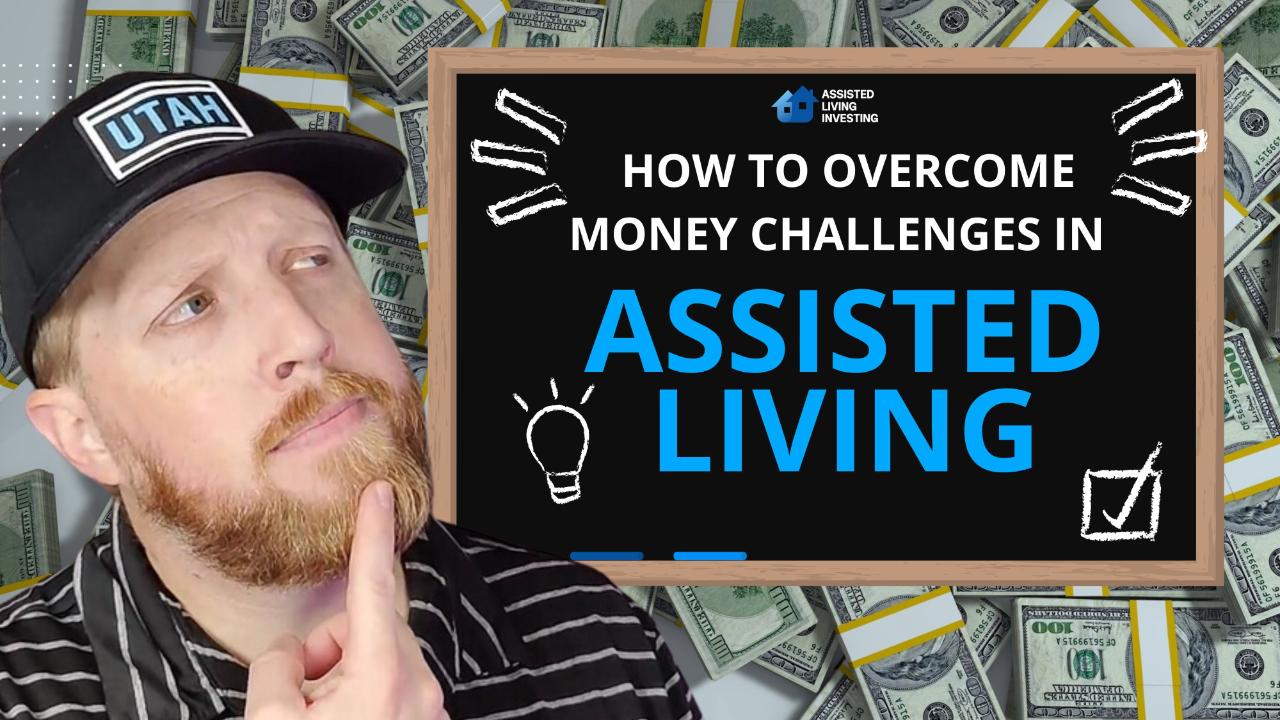
Starting an assisted living business is exciting — but money can feel like the biggest roadblock. 💸
How do you fund your facility? What do lenders want to see? And how do you stay confident when they say “no”?
Good news: You can get the funding you need — and this guide will show you how. These four steps will help you secure capital, build lender confidence, and launch your assisted living facility without getting stuck.
Let’s dive in! 🚀
Check out this video, too:
Why Funding Feels Hard (and Why You Can Do It)
Most beginners think funding is the hardest part of launching an assisted living facility. But the truth is, lenders want to say yes — you just have to give them the right information and build trust.
Here’s what every lender looks for:
✅ A strong, clear business plan
✅ Solid underwriting and financial projections
✅ Organized documents and good communication
✅ Persistence (because “no” usually means “not yet”)
Master these four things, and you’ll be way ahead of most people trying to get funded.
🧠 Step 1: Build a Business Plan That Lenders Love
A business plan is more than just paperwork — it’s your ticket to funding. Every lender will ask for it first, so don’t skip it.
Here’s what yours should include:
📌 Your goals and mission – Why are you starting this facility, and what’s your vision?
📌 Who you serve – Seniors, people with disabilities, memory care residents? Get specific.
📌 Your location – Where you plan to open and why that market makes sense.
📌 Your unique value – What makes your facility different from the one down the street?
💡 Pro Tip: Use thre FREE Business Plan Checklist to make sure you include everything lenders want to see.
📊 Step 2: Master Your Numbers With Underwriting
Underwriting shows lenders your facility will make enough money to pay back the loan and stay profitable. It’s where your numbers do the talking.
Here’s what to include:
✅ Income projections – Estimate how many residents you’ll have and what they’ll pay.
✅ Expense breakdown – Make sure the 5 major expenses are included:
-
👩⚕️ Wages (often 50%+ of expenses)
- 🛡️ Insurance
- 🍽️ Food
- ⚡ Energy (utilities)
-
🏦 Debt service (mortgage)
✅ Profit calculations – Know your break-even point and your profit potential.
✅ Realistic assumptions – Be conservative. Lenders want confidence that your numbers are achievable.
💡 Grab our FREE Underwriting Calculator to make this step easier and more accurate.
🤝 Step 3: Build Strong Relationships With Lenders
Money isn’t just about math — it’s also about trust. The stronger your relationship with a lender, the better your chances of getting funded.
Here’s how to do it right:
📬 Respond quickly. Reply to emails and calls within the same day — even if you don’t have the answer yet.
📁 Stay organized. Create a Google Drive folder with your business plan, underwriting, tax returns, and bank statements.
🗣️ Be honest. If you don’t know something, say so. Ask questions and show you’re willing to learn.
🙏 Follow up. Thank them for their help, keep them updated, and always communicate clearly.
💡 Lenders want to fund you — that’s how they make money. Make it easy for them to say “yes.”
💪 Step 4: Don’t Get Discouraged by “No”
Here’s the truth: lenders will say "no" most of the time. But “no” usually means “not yet.”
✅ Maybe the deal isn’t a good fit.
✅ Maybe your paperwork wasn’t complete.
✅ Maybe the lender’s criteria just didn’t match your plan.
And that’s okay. One “no” doesn’t mean every lender will say "no". Keep improving, keep applying, and keep building relationships.
💡 Aim to leave every lender thinking: “We want to work with them next time.” That mindset turns rejections into future opportunities.
🚀 Next Steps: Secure Your Funding and Launch
Ready to get your assisted living business funded and off the ground? Here’s your action plan:
✅ Step 1: Download the free Business Plan Checklist to build a lender-ready plan.
✅ Step 2: Use the free Underwriting Calculator to confidently project income and expenses.
✅ Step 3: Need help figuring out where to start? Join the next Roadmap Challenge and build your launch plan with me.
Show full transcript 👇
Transcript
00:00:00 - 00:00:44
Hey friend, I'm Brandon Gustafson. I help beginners like you launch their assisted living business in the next 12 months. In today's video, we're going to be talking about overcoming some funding obstacles as you're trying to launch your assisted living business. So, if you need some help with that, make sure you stick around for today's video. Hey friend, welcome back to Assisted Living Investing. Excited to have you here on the channel with me today. Before we get into the topic for today's
00:00:28 - 00:01:12
video, I want to remind you to get over to assistedlivinginvesting.net. Go grab your free underwriting calculator. It's the big blue box in the top right corner. So, make sure you go and grab that free resource to help you out as you're launching your assisted living business. We're actually going to talk a little bit about that in today's video. So, make sure you stick around to learn how underwriting can help you navigate some of these funding issues that you have if you're trying to launch
00:00:50 - 00:01:37
your assisted living business. And with that said, let's get into the topic of today's video, overcoming some of those common funding obstacles that you're going to experience as you're trying to launch your assisted living business. The first thing that I want you to be aware of that you're going to need to have is starting with a solid business plan. I talk to people all the time about building a solid foundation. It's one of the most important things you can do as you're trying to launch your
00:01:13 - 00:02:04
assisted living business. Go check out the assisted living investing launchpad bundle at assistedlivinginvesting.net/ /aunchpad to get a little more information on that. Helps you build all the things that you need to launch your assisted living business and build the foundation. And a really big part of that is creating a solid business plan that makes lenders just really excited to want to work with you. Inside your business plan, things that you're going to be doing is getting clear on the
00:01:38 - 00:02:24
goals that you have, what those goals are, and how you're going to achieve them. You're going to determine who you're going to serve, which is super important. You need to determine, am I going to be working with an elderly population or do I want to be working with mental health or disabilities or autism? What population am I passionate about? Why am I passionate about that type of population? And how am I going to build a facility that is around that? This is what you're going to be writing
00:02:01 - 00:02:47
in your business plan. It's really fun and exciting to do that. It helps set the stage for everything else that you're going to be doing as you're trying to look for the right house and looking for the right market and and getting your license and and all the things that you're going to be doing. figuring out who you want to serve and getting clear on that. The clear more clear you are, the more effective you're going to be. Niche down. It's totally fine. Uh you can do it. Uh get really
00:02:24 - 00:03:07
specific on who you want to serve. You want to figure out where you're going to be putting your facility. What geographic location do you want to be? You want to do that market research. You want to make sure it's a good fit for you. We can help you out with that in the launchpad bundle as well. So, make sure you're looking at that to just kind of figure out, is this the right spot for me? You also want to outline what makes you special? What sets you apart from all of the other facilities? Why is
00:02:45 - 00:03:36
somebody going to choose you over, I don't know, Sally's facility down the street? If you're Sally, I'm sorry for using your name like that, but you know, I'm not Sally. So, you want to be making sure that you are setting yourself apart from those other locations and making sure people know why you're a good fit and why they should put their loved one in your facility. The more that you can outline what those reasons are, the better off you're going to be. and that you're going to put all of that into
00:03:12 - 00:03:52
your business plan. This is where you're doing all that work. So, if you need some help in figuring out exactly the things that you need to have in your business plan, go check out the business plan checklist. It's a free resource that I have for you. I have a bunch of them on the website. We're going to link it down below, but if you go to assistedlivinginvesting.net/bp checklist. uh you can get that free resource and it's going to give you all the sections you need inside of your
00:03:31 - 00:04:11
business plan and a little bit about each of them so you know exactly what you need to be writing about as you're trying to build that business plan which is key to helping you get the funding that you need. Lenders are going to ask for your business plan. It's going to be one of the first things they ask for. They're going to give you a list. We need in order for us to consider your application. We need you to fill out the application that we have for you. We need your business plan. We need your
00:03:51 - 00:04:37
underwriting. We need your tax returns. And we need your bank statements. They're going to ask for all those things. And it's at least those five. Every single lender will ask this. I've talked to dozens of lenders. I have friends that are lenders. They all tell me, "You need to have the business plan. It's one of the most important things you can have." So, stop wasting your time doing something else. Do the business plan. It's what you need to do if you want to get funding. You have to
00:04:14 - 00:05:02
work on it. Okay? Go to grab the free resource, the business plan checklist. Check us out on our coaching options. Get the launchpad bundle or check us out at alias basics assisted livinginvesting.net/basics /basics if you need some help and some guidance as you're working through things or apply to the mastermind and I help you out give you a lot of extra support there and you can do that at alimastermind.com. I know I just threw a bunch of links at you. I just want you to know all the ways that I can help you
00:04:38 - 00:05:23
out as you're trying to launch your assisted living business. Second thing that I want you to know is underwriting. Underwriting is key. It's one of those things that a a lender is going to ask for. So, you need to have this. Go grab the free underwriting calculator at assisted livinginvesting.net. It's the big blue box in the top right corner. You cannot miss it. Make sure you go and grab that free tool because it's the thing that's going to help you out in your underwriting process as you're
00:05:01 - 00:05:46
trying to get funding. It's going to be absolutely key inside of your underwriting. You're going to be estimating the income of your residents. This is the fun part, right? You get to say, "Okay, we're going to have 10 residents, 16 residents, 20 residents, four residents, whatever number it is, and those residents are going to pay us 3,000, 5,000, 8,000, 12,000. What's that number going to be?" Make sure it's realistic. Don't just like throw numbers in there. You want to determine, is it
00:05:23 - 00:06:10
private pay? Is it Medicaid? Are we working memory care? Are we not? And we're doing a traditional assisted living. What's the mix of people that we want to have in our facility? What are the rates that they're going to be paying? And we're going to do some simple math, right? So, let's just say $5,000 per month per resident, and they're all private pay. That is an income potential of $50,000 right there. Boom. Super easy. Now, it's a little more complex when you really dive into
00:05:47 - 00:06:44
this. if you have a different mix of residents and you're charging people more for amenities and stuff like that. But at its core, simple number of residents, monthly rate, multiply those together. That's your gross income. That's what you're going to get. Second piece that you want to be aware of as you're working through this with your underwriting is understanding exactly what your expenses are. There are five big expenses. The five big expenses that are going to just like make up 80 to 90%
00:06:15 - 00:07:02
of all of the expenses that you have in your facility are debt service. That's your mortgage payment. You're going to be paying for utilities. You're going to be paying for insurance. That's property liability and workers comp. You're also going to need to be paying for food. And the fifth one, and this is the biggest one, it's going to take probably half of your expenses, maybe even a little bit more, is staffing. Staffing is huge. You're going to need to pay attention to
00:06:38 - 00:07:28
staffing because it will make or break you. You need to understand exactly what that is. Now, when you do your full underwriting, you're going to dive deep into those. You want to do some research. You want to understand what those expenses are. And if you want a deeper dive on that, type in five down below cuz that's going to help me know that you want more information on those five big expenses and how they work. and we can do a really deep dive into each of those expenses for you so you
00:07:03 - 00:07:47
understand how they work and how they impact you and and what you're doing and how to navigate them, how to maybe even reduce some of those expenses. So, type in five down below if you're interested in learning a little bit more about those top five expenses. So, you're going to take those all the other expenses, you're going to understand them. You're going to make sure you are are really confident in those numbers, plus the other expenses that you have, miscellaneous expenses, uh, things that
00:07:25 - 00:08:18
come up, repairs, activities, stuff like that that you're going to have to take care of. And you're going to say, okay, our expenses, we add all of those up on a monthly basis is $40,000. Okay? And remember from our previous example with the income, we were at 50,000 in income, 40,000 in expenses. Our net income now is at $10,000. really simple math. I try to keep it simple because I've tried to do math in the past on these videos. Doesn't work. And if you have watched those, make sure you like the video
00:07:52 - 00:08:45
because those are the worst ones. I love math. I love data and getting stupid little math problems wrong is hard for me. So like it just to like boost my uh self-esteem. I guess you're going to look at that and you want to understand what's my break even point? What's my profit earning potential? What happens if I have a a reduction in my census and my facility? Uh how's that going to impact me? and for how long can I sustain that? A lender specifically what they want to look at when they are
00:08:18 - 00:09:09
looking at your underwriting. They want to make sure that it can cover the loan and still be profitable. So that's a key thing that they want to be looking at. They want to say, "Okay, you have enough money to cover the loan. We don't need to worry about you defaulting. Everything's going to be fine. You're still going to be turning a profit. It looks like it's a healthy profit. The projections are realistic, like upfront. you're not going to be making a ton of money, but as time goes on and you fill
00:08:44 - 00:09:28
the beds, you're going to be making a lot of money. And so, we feel confident. There's a fine balance there between confidence that it's this going to work and realism. Is it realistic? Can it actually happen? And when you meet those things, that's what a lender is looking for. That's how you're going to be successful. If you need some help with that, make sure you go grab the free underwriting calculator at assisted livinginvesting.net. Again, it's a big blue box top right corner. You cannot
00:09:06 - 00:09:57
miss it. Make sure you go and grab that free resource to help you along your journey as you're trying to build the case with your lender to help you get the funding that you need. The third thing that I want to teach you as you're trying to find the lenders is building a relationship with the lender. This is one of the most important things you can do. I cannot stress it enough. Um, you need to respond quickly to their calls or their emails. Like within an hour, like certainly same day. Even if you
00:09:32 - 00:10:12
don't have the answer, you still want to respond. I don't got that, but I'm working on I'll get it to you next Tuesday. I I'll work on it over the weekend. We'll get it to you on Monday. Uh I'll have it to you tomorrow. Like those are the types of things you want to communicate. Overcommunicate. Just like just do it. I promise you it's going to help you be successful. You want to stay organized with your documents. A pro tip, keep a Google Drive after you talk to the first
00:09:51 - 00:10:36
lender. Figure out what they need and then make a Google Drive folder. Make a a One Drive folder. Whatever cloud service you want to use for that, make a folder. Put all the stuff there because every single lender is going to ask for it. They're going to see your application, your business plan, your underwriting. They want to see your taxes historical. They want to see your bank statements. They're going to have a few other things that they're going to ask for. If you need some help and some
00:10:14 - 00:11:09
guidance with that, check out one of the programs, but specifically the mastermind program cuz I help you out a lot in there. You can apply to that at aliastermind.com. So, go check out that program. When you are working with a lender, be honest with them. If you don't know something, say that you don't know. Tell them what you do know, what you don't know. Be transparent. be honest and upfront and ask questions and engage with them because that's going to help build confidence in you. Even if you don't
00:10:42 - 00:11:32
know something, it's okay to say you don't know it so you can work with them and get the answer because that shows initiative, shows you're engaged, shows that you want to be successful and they will help you out. Their goal is to fund you. That is their goal. They don't want to tell you no. They want to say yes. That's how they make money. It's one of the key ways that they make money. And so they want to to say yes to you. But if you're going to build that relationship and build that level of
00:11:06 - 00:11:59
trust, you got to be transparent a little bit on things. And don't just fake it till you make it. Ask questions on this one. Faking it till you make it is great. Like I do it all the time. But there are certain situations where it's better for you to play a little bit stupid or develop relationships through just asking questions. And this is one of those situations. And when they give you answers and they ask you questions, follow up with thank yous. Follow up with thank you so much. That was super
00:11:33 - 00:12:26
helpful. I really appreciate it. Give them updates. Yeah, we we just talked to the sellers today and they're working on getting that application. They're working on that paperwork, getting the insurance stuff from us. Talk through everything. Make sure you're communicating. Overcommunicate. It is absolutely key for you to do this if you want to be successful. Okay? So, I cannot stress that enough. Build the relationship and just be a good person and do that because they talk to each
00:12:00 - 00:12:51
other. And if you're not, you're going to get a bad reputation or you're going to give the industry a bad reputation. So, I ask you to not do that. Please be good and be helpful and do the things that you should be doing to help everybody else out as they're trying to launch their assisted living business. One thing I want to tell you and I want you to know is you're going to get cold told no by lenders all the time. Dozens of lenders have told me no. And you just can't get discouraged. No really means
00:12:25 - 00:13:10
not yet. it means this opportunity is not good or maybe you're just not quite prepared for it or you didn't have all the paperwork and just because one lender tells you no doesn't mean the other one's going to tell you yes. They you may get a lender that tells you nope that's impossible. You're not going to find a lender. But they don't talk to all the other lenders. They don't have that relation. They don't know that other lender's way of doing things. And
00:12:47 - 00:13:39
so take it with a grain of salt. Thank you. I appreciate your feedback. We'll work on on finding a better opportunity. We'll work on our application. Whatever it is that you need to do, be respectful. Don't burn a bridge and then just move on. Don't get discouraged by it and build maintain a relationship. My goal is always to make a lender feel so bad that they had to tell me no because I was such a good person to work with and my deal was pretty dang good. For whatever reason, somebody in the back
00:13:14 - 00:14:03
room didn't like it, right? But my goal is to make them feel bad they had to tell me no. I've had to I've had that happen a few times and it like ultimately I want to get a yes. But that's my secondary thing is to make them feel bad that they've got to tell me no cuz I was such a good option for them and they loved working with me and and I want them to tell me that hey this one didn't work but the next one reach out cuz we want to work with you. Like that that's my goal right now. If you
00:13:38 - 00:14:29
need some help and some guidance with this, I'd love to help you out with that. We have our ALI basics community. You can go check that out at assistedlivinginvesting.net/basics. In this community, we do a monthly Q&A session, weekly tips and tricks, and get access to me to ask me questions and I can help you along your path of launching your assisted living business. So, go check that out. Again, it's assisted livinginvesting.net/basics. To recap what we talked about in this video, we've been talking about some of
00:14:03 - 00:14:53
the ways to overcome funding obstacles in assisted living. We focused on business plan, super important, underwriting. I'm super passionate about those two things and they are the things that that every lender is going to ask for. You need to have those. And the third one, and it's a big one, is building relationships with a lender. So, you got to make sure you do that. And then fourth, and and finally, don't get discouraged when they tell you no, because it's going to happen. Statistically, a lender will tell you no
00:14:28 - 00:15:14
90% of the time or more. So, just kind of do your best. Don't get discouraged. No doesn't mean no, it just means not yet. And keep moving forward. You're going to be fine. You'll find the funding that you need. If you like this video, make sure you hit the like button, subscribe, ring the bell, and if you do that, you'll get notified when we put out content like this. We go live on Tuesdays, we put out content like this on Thursdays, and all with the goal in mind of helping you launch your assisted
00:14:51 - 00:15:34
living business. Does residential assisted living sound interesting to you, but you don't know how to get started? At assisted living investing, I'm here to help beginners like you launch their assisted living business in the next 12 months. I love helping and coaching people. It's one of my favorite things to do. Check us out at assistedlivinginvesting.net. And remember, it doesn't take a lot, just a little bit. Just keep going. step by step by step. And I promise you, if you do and you're consistent and
00:15:13 - 00:15:25
persistent, you are going to be successful. Thanks for watching and have a great day.
Download Your FREE Calculator
Stay connected with news and updates!
Join our mailing list to receive the latest news and updates from our team.
Don't worry, your information will not be shared.
We hate SPAM. We will never sell your information, for any reason.